

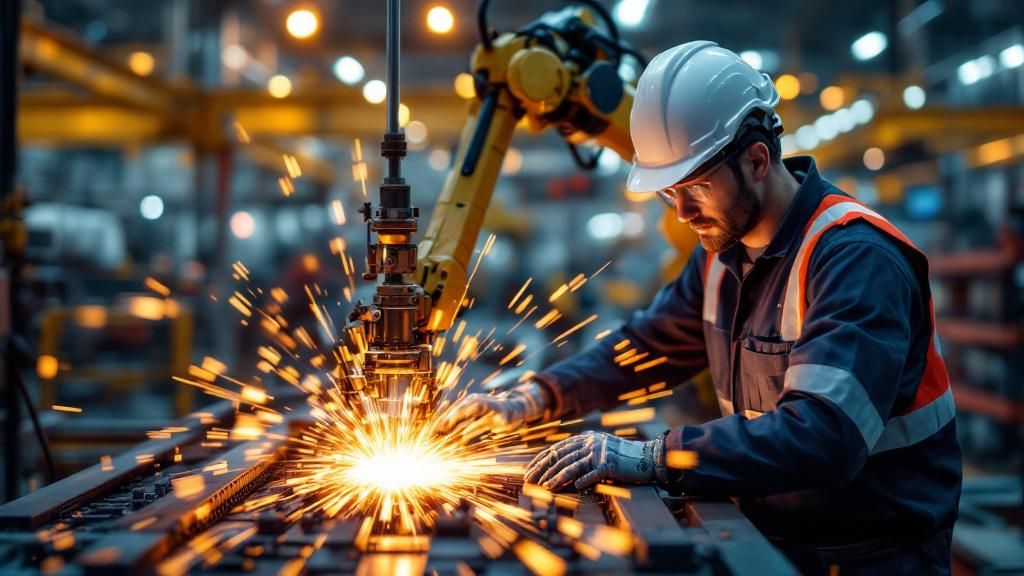
The UK manufacturing landscape is experiencing an significant shift as industry leaders pledge substantial capital in cutting-edge automation technology and extensive skills training initiatives. This strategic shift reflects manufacturers’ determination to boost operational efficiency, remain globally competitive, and safeguard long-term viability. Our research demonstrates the major funding allocations fuelling this sector overhaul, examines the innovative technologies transforming factory floors, and investigates how manufacturers are equipping their employees for tomorrow’s demands. Discover what this funding momentum means for British manufacturing’s trajectory.
Rapid Growth in Automation Solutions
The UK manufacturing industry has witnessed an substantial financial dedication towards automation technology, with capital attaining exceptional amounts in recent times. Key manufacturing firms across automotive, aerospace, and electronics markets are allocating substantial capital towards robotic systems, artificial intelligence, and advanced manufacturing solutions. This capital boost reflects sector confidence in automation’s ability to boost operational performance, cut production expenditure, and elevate product quality standards. The magnitude of this dedication underscores producers’ understanding that technological progress is vital for maintaining competitive advantage in an increasingly globalised marketplace.
Industry analysts link this funding surge to multiple interconnected factors, such as post-pandemic supply chain reassessment, escalating wage expenses, and the urgent imperative for enhanced production flexibility. Companies are focusing on automation technologies that deliver versatility and expandability, enabling swift adjustment to variable consumer requirements. Investment figures reveal that manufacturers are not merely replacing manual procedures but radically transforming manufacturing approaches. This strategic approach guarantees that British manufacturing continues at the forefront of manufacturing advancement, establishing the sector for enduring development and strengthened robustness against potential economic disruptions.
Strategic Human Capital Schemes
Recognising that technological advancement alone cannot drive success, UK manufacturers are allocating considerable funds in broad-based skills development schemes. These initiatives represent a core transformation in how the industry invests in human capital. By coupling automation investments with comprehensive training programmes, manufacturers are confirming their workforce can competently manage, sustain, and improve new technologies. This integrated methodology tackles capability shortfalls whilst enhancing worker confidence and involvement in an progressively technology-driven environment.
Vocational Training Courses
Leading suppliers have created bespoke training academies and apprenticeship programmes intended to provide workers with critical digital and technical skills. These initiatives include robotics operation, data analytics, cyber security protection, and advanced programming languages. Funding for instructor-led and online learning platforms provides accessibility across all employee tiers. Companies are partnering with learning organisations to deliver certifications recognised across the industry, enhancing career progression opportunities and workforce retention figures substantially.
The financial commitment to professional training extends beyond initial onboarding, with organisations deploying continuous professional development initiatives. Workers benefit from frequent development prospects to keep pace with changing technology contexts and new sector standards. Many employers make available tuition reimbursement, mentorship programmes, and sabbatical leave for continued learning. This continuous dedication showcases manufacturers’ dedication to creating long-term career pathways and cultivating a culture of lifelong learning throughout their organisations.
Partnership with Learning Establishments
UK producers are forging strategic partnerships with universities and further education colleges to synchronise course design with sector needs. These collaborations ensure school leavers have hands-on abilities immediately applicable to modern manufacturing environments. Collaborative initiatives include curriculum design, guest lecturing, lab facilities, and resource supply. By working closely with academic organisations, manufacturers shape the flow of talent entering the sector, tackling foreseen capability gaps proactively.
Additionally, manufacturers sponsor research programmes and innovation hubs within higher education institutions, encouraging knowledge exchange and technological progress. Double-degree programmes and industry placements equip students with valuable hands-on experience whilst providing companies first access to upcoming talent. These working relationships strengthen the UK’s position as a international manufacturing leader, maintaining long-term competitiveness and establishing Britain as an desirable location for cutting-edge manufacturing investment and skilled labour development.
Economic Impact and Future Outlook
The historic investment in automation and employee development is projected to generate substantial economic benefits across the UK industrial base. Sector specialists anticipate productivity gains of up to 25% over the next three years, translating to higher production and stronger competitive position in global markets. These improvements are anticipated to create approximately 15,000 new skilled manufacturing positions whilst strengthening Britain’s standing as a tech-focused industrial centre. The multiplier effect of this funding will probably stimulate growth throughout supply chains and supporting sectors.
Long-term prospects for UK manufacturing appear decidedly encouraging as businesses position themselves at the forefront of Industry 4.0 adoption. Companies deploying automation today are positioning themselves to capture emerging market opportunities and respond swiftly to evolving consumer demands. The combination of artificial intelligence, robotics, and advanced analytics promises to release creative capacity historically restricted by labour availability and operational constraints. Forward-thinking manufacturers recognise that enduring market position depends upon relentless innovation progress and employee skill enhancement.
Looking ahead, the momentum generated by present investment movements indicates a fundamental reshaping of British manufacturing’s economic role. State backing through workforce development funding and business incentives will potentially speed up adoption among SMEs. As automation matures and worker capabilities increase, British manufacturers are set to reclaim market share from global rivals. This transformation constitutes not just industrial upgrade but a strategic reorientation of manufacturing as a foundation of the UK’s future economic prosperity and technological leadership.
